Standing at an Italian café counter and wondering how to say hello in Italian? Say buongiorno by day, salve when the level of formality is unclear, and keep ciao for friends and family.
Most mix-ups start with treating ciao as the universal hello. The same attention to register applies to casual speech in any language, and how to learn slang in a new language covers that wider approach.
Ciao is not the default hello
Learners often assume ciao is the first word to reach for. Lingoda describes it as the go-to greeting for both “hi” and “bye”, but only in informal contexts. FluentU goes further and calls ciao primarily highly informal. That is why it fits a quick exchange between peers and clashes with a first meeting at a front desk.
- Friends and family: Verbling notes that Italians use it with friends and family and, more generally, in informal contexts.
- Hello and goodbye: the same word opens and closes a conversation, so you do not need a separate farewell with people you know well.
- People you address as Lei: Dummies advises never using it with someone like a boss or a teacher, which includes anyone you address with the formal “you”.
The practical rule is to wait for the other person to use ciao first. If they open with buongiorno or salve, answer in the same register. The comparison below shows what to say in its place.
Greetings compared by time and formality
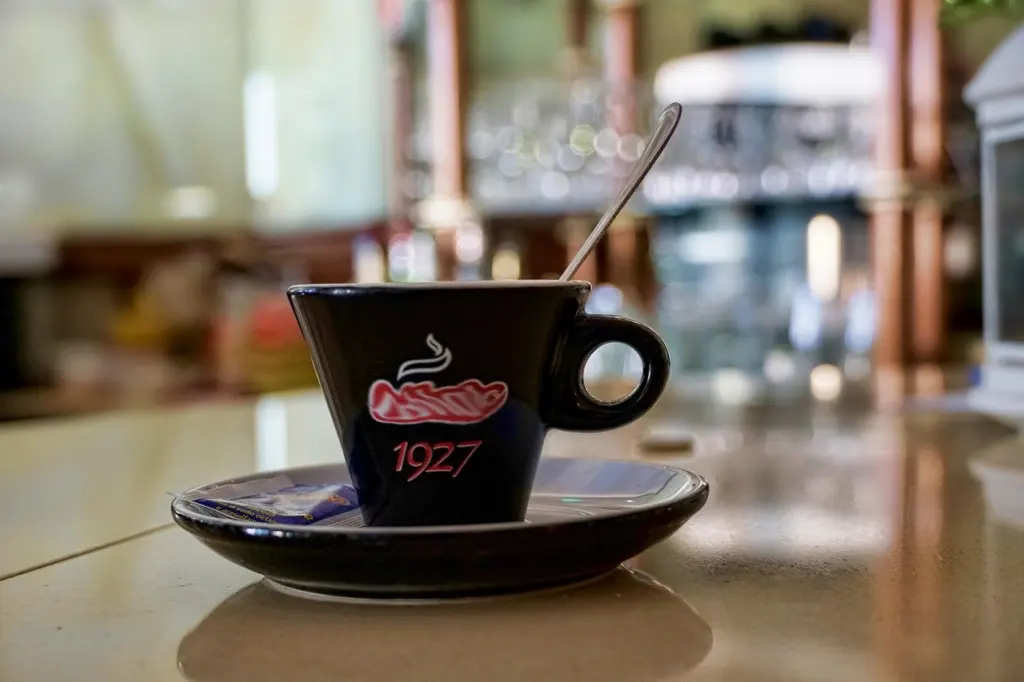
Italian hellos change with the hour and with how well you know the person. This table puts the main options side by side.
| Greeting | When it is used | Register | Planning use |
|---|---|---|---|
| Ciao | Any informal moment, as hello or goodbye | Informal | Friends and family only; avoid with elders, professionals or strangers |
| Buongiorno | Early morning until early afternoon (about 2 p.m.) | Formal greeting, widely accepted | Safest opener for shops, offices and daytime encounters |
| Buon pomeriggio | Between 2 and 5 p.m., mainly when leaving | Polite, but uncommon as a hello | Use when parting in the afternoon; open with buongiorno or salve instead |
| Buonasera | From late afternoon, as early as 4 p.m. | Evening greeting | Switch from buongiorno once the afternoon turns to evening |
| Salve | Any time of day | Polite but not too formal | Default when you cannot judge formality or the hour |
The times and registers come from the greeting guides at Lawless Italian and Lingoda.

Buongiorno is not only for mornings
The name suggests a morning greeting, yet Lingoda says buongiorno runs from the early morning until early afternoon. Lawless Italian lists its meanings as hello, good morning, good afternoon or good day, so it covers more than the first hours of the day.
Buongiorno also suits the more careful end of the register scale. Verbling says Italians use it to say hello during the day in formal situations, while FluentU adds that it tends to run a bit formal but is generally accepted in all social circles. You will rarely sound wrong with it before the afternoon fades.
Afternoon and evening
Many learners expect a neat “good afternoon” phrase. Lawless Italian says buon pomeriggio is rarely used as a hello, and that it is far more common to say buongiorno or salve. Lingoda places buon pomeriggio mainly at departures between 2 and 5 p.m. Treat it as a way to say goodbye, not a greeting on arrival.
Buonasera takes over later. Lawless Italian notes it can mean good afternoon because it is often used as early as 4 p.m. If you are hesitating around that hour, listen to how the person in front of you greets you and follow their lead.
Salve is not too casual or too stiff
Salve works where neither ciao nor buongiorno feels quite right. Verbling describes it as a greeting for day or evening when you want to be polite but not too formal, and Lawless Italian confirms it can be used at any time of day. FluentU calls it a good choice when you are not sure what level of formality to use.
That makes it the right fallback in a few situations:
- Mixed company: a group where some people look senior and others look like peers.
- Uncertain hour: around the shift between afternoon and evening, when buongiorno and buonasera both seem possible.
- First contact with staff or strangers: where ciao would be too familiar and a full buongiorno feels heavier than the setting needs.
If the other person answers with something warmer, you can relax your register. If they stay formal, stay with salve or move up to buongiorno.
What formal means in practice
Formal Italian greetings are not reserved for ceremonies. Lingoda says they are used in business, when addressing strangers, or in respectful contexts. Buongiorno and salve are its suggested polite alternatives to ciao, and it specifically warns against ciao with elders, professionals or strangers.
Formality in Italian also shows in the word for “you”. Dummies explains that Lei is the formal version of you, and that the longer buon giorno and buona sera belong in more formal situations, such as entering a store. A greeting that matches the Lei register therefore pairs a buongiorno or buonasera with polite phrasing afterwards, not a casual ciao.
A quick formality check
- Would you use Lei with them? Choose buongiorno or buonasera.
- Are they a friend, relative or peer? Ciao is fine, ideally after they use it first.
- Is it a mix or an unknown? Salve covers the gap.
Regional and dialect greetings
Italy is divided into 20 regions, and Lingoda says some variation of ciao is present in the local dialect of each, from ciau in Sicily to cerea in Piedmont. Dialects therefore give you variants of the same familiar word rather than a completely separate set of hellos.
The word itself traces back to the Venetian dialect. FluentU reports that it derives from Venetian s-ciao, meaning “I am your slave”. Its modern friendly meaning is far from that original sense. If a local uses a regional form, answering with a plain ciao to a friend, or buongiorno to a stranger, is the safe reply.
Kisses and handshakes beside the words
The spoken greeting is only part of the exchange. Dummies says cheek kissing is reserved for greeting people you know well and is less common among men, so a handshake is the better opening at a first meeting.
Region changes the balance. According to Lingoda, kisses are more common and warm in southern Italy, while a handshake is more common in casual settings in the north. Do not initiate a kiss as a newcomer; follow the other person’s lead and match their level of closeness.
Comparing hellos across languages
Greeting systems in other languages also split by formality and time of day. Readers building a wider set of greetings can compare the Italian choices here with How To Say Hello In Russian: Simple Phrases, Pronunciation, And When To Use Them (2026) – Slanguagestudio and How To Say Hello In Spanish: Simple Phrases, Politeness Tips, And Pronunciation (2026 Guide) – Slanguagestudio.
Frequently asked questions
| Question | Answer |
|---|---|
| When do I use ciao? | Use it with friends and family in casual settings, as either hello or goodbye. Skip it with bosses, teachers and anyone you would address as Lei. |
| What is formal? | Buongiorno and buonasera are the formal choices for business, strangers and respectful contexts. Salve sits just below them as polite but not too formal. |
| Which greeting works at any hour? | Salve. It suits day or evening, so it removes the need to judge the time. |
| Is buon pomeriggio a normal way to say hello? | Not usually. It appears mainly when leaving in the afternoon, and buongiorno or salve are more common as openers. |
| Do all regions say ciao the same way? | No. Each of Italy’s 20 regions has some local variation, such as ciau in Sicily and cerea in Piedmont. |