| Situation | What is supported | Planning use |
|---|---|---|
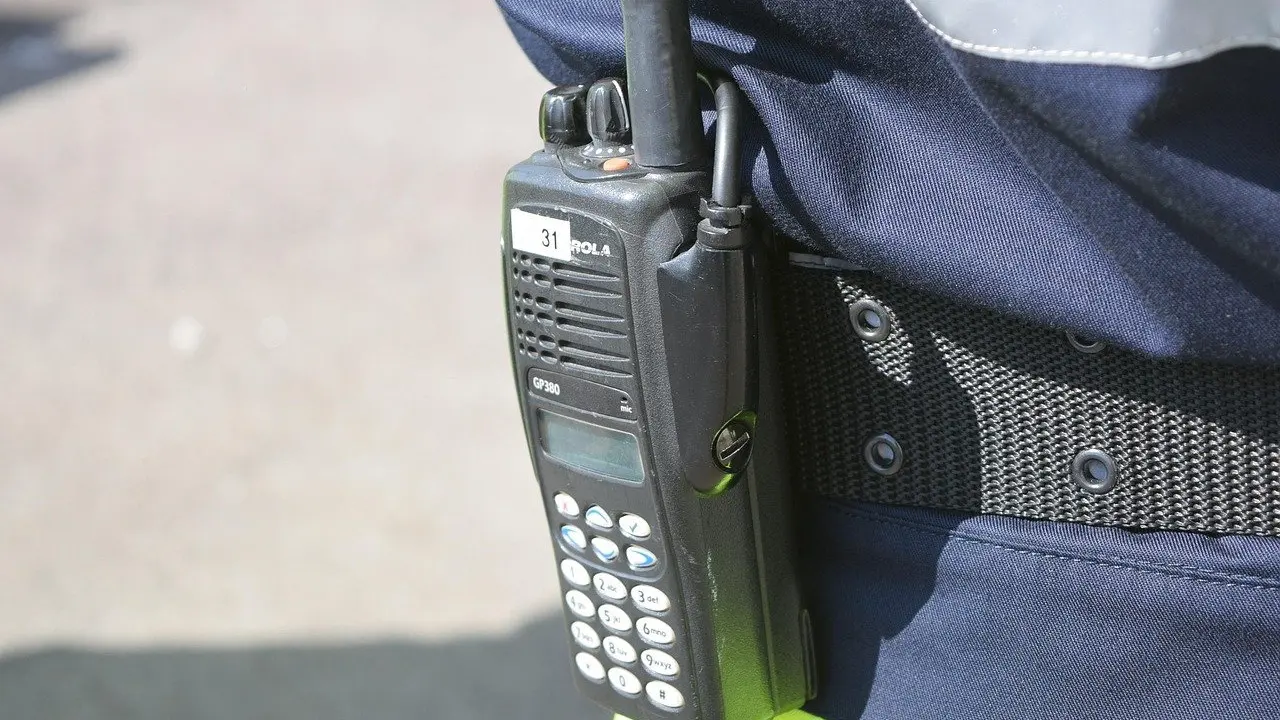
| Reading the word | “12” is slang for the police or any other law enforcement. | Treat it as an informal noun for officers when you meet it in lyrics, captions or conversation. |
| Explaining the origin | The radio code 10-12 and the TV show Adam-12 are both cited. No exact origin can be pinned down. | Present each as a theory, never as settled fact. |
| Writing for a regional audience | The term is most commonly used in southern states. Many people in Atlanta link it to code 10-12. | Gloss the word for a general readership; recognition may be weaker outside the South. |
| Quoting music | “F*** 12” became popular in rap culture, with songs by Gucci Mane and Quavo cited. | Expect explicit phrasing, and decide whether to quote exactly or paraphrase for your audience. |
Definitions and regional notes come from a user-submitted Urban Dictionary entry and The Sun’s explainer on why police are called 12.
Why is 12 slang for police? It is a short, informal label for law enforcement, and its origin is disputed: the leading explanations are the radio code 10-12 and the TV show Adam-12.
For the wider picture of how slang forms and travels, see where does gen z slang come from. For how word choice shifts between age groups, see slang by generation.
What the term means in practice
“12” works as a plain noun meaning police, and the dictionary definition covers any kind of law enforcement, not one specific agency. Most of the practical decisions come from three things: who is speaking, where they are, and how formal the setting is.

- Audience decides whether to explain it. A reader in the southern states, where the term is most commonly used, is likely to know it. Readers elsewhere may need a short gloss the first time it appears.
- Register decides whether to use it. It is slang, so it suits dialogue, captions and informal commentary. In reports, essays or explanatory writing, use “police” and mention “12” only as the term under discussion.
- Tone decides how to quote it. The best-documented phrase in music is hostile and explicit, so the word can carry an attitude that a neutral “police” does not. Do not assume every use is hostile; the entry itself defines it neutrally.
Hearing a regional term for the first time is a small version of the disorientation described in Culture Shock Explained: What It Is, Why It Happens, And How To Cope (2026 Guide) – Slanguagestudio. The same applies to slang that crosses borders or generations. If you are the newcomer, ask what a term means before guessing from the numbers.
Where the term shows up: regions and music
Regional spread and music are the two best-supported contexts for “12”. Neither gives an exact starting date or place, but together they show where the word lives.
Regional pattern
The Sun’s explainer says the term is most commonly used in southern states and is believed to have come from them. It also reports that people began calling cops “12” in the late 1960s, depending on the state they were from. That wording points to patchy, local adoption rather than one national moment. In practice, “most commonly southern” is a tendency, not a boundary. Do not describe the word as exclusive to any one place.
Hip hop and rap
In hip hop, the phrase “F*** 12” became popular in rap culture, and the same explainer cites songs by artists such as Gucci Mane and Quavo. That makes music the clearest public record of the term in use. Song lyrics show how the word is used, but they do not show where it came from. A lyric tells you the word was in circulation when the song was written, not why it started. The fair conclusion is that rap helped make the term widely recognised, while the first spark remains uncertain.
If you cite a lyric, quote it exactly or paraphrase it deliberately, and name the artist rather than saying “rappers” in general. If the audience may not welcome explicit language, describe the phrase instead of reproducing it.
Origin theories compared
Two explanations dominate, and they are not equally tidy. Both come from informal sources, so each reads best as a plausible account, not a verified etymology. The explainer’s own conclusion is that there is no exact way to know where the term originated.
The radio code 10-12
Ten-codes are numbered shorthand phrases used on radio. A user entry dated 2007 in Urban Dictionary says 10-12 is a CB-radio ten-code meaning “visitors present”. The Sun reports that many people in Atlanta call police “12” because of the radio code 10-12, which it glosses as civilians being present.
The theory is attractive because it explains a number that otherwise looks arbitrary, and it matches the regional clue in Atlanta. Its weakness is that the code’s stated meaning is about other people being present, not about police. A reader should therefore treat the link as a proposed route from radio shorthand to street speech, not as a documented chain. The two glosses (“visitors” and “civilians”) also differ slightly in wording, which is another reason to avoid presenting one definition as official.
The TV show Adam-12
The second theory points to television. The Sun notes that some say the term comes from the old-school cop show Adam-12, set in Los Angeles. A user entry dated 2017 in Urban Dictionary offers a more specific version: 1-Adam-12 was the number of the police car on a 1960s TV show.
This theory fits the timeline loosely, since the show belongs to the 1960s and the term is said to have spread in the late 1960s. A coincidence in dates is still not evidence of cause. The Adam-12 account also depends on viewers abbreviating a car number into a word for all police, a step that nothing supplied here documents.
How to weigh them
- Choose the radio code if your point is about institutional speech passing into everyday language, and say that its literal meaning is not “police”.
- Choose Adam-12 if your point is about television shaping slang, and say it is one of several claims.
- Present both if you are writing for a general audience. A garment-and-gear retailer’s blog makes the same broader point: it says it is impossible to trace the exact origins of police slang generally.
Other terms that mean police
This nickname is one of many for police, and each has its own story. Comparing them shows that numbers are only one source of slang; history, clothing and television also shape the vocabulary. A police-supply retailer’s overview of police nicknames supplies the examples below.
- Cop and coppers. “Cop” was first used in place of “to arrest” around 1844, and by 1846 police officers were being called “coppers” in everyday conversation.
- 5-0. This became a popular nickname after the television show Hawaii Five-O, which aired from 1968 to 1980. The overview adds that real Hawaiian police officers have no such designation, so the name comes from fiction rather than from a real unit. It is a close parallel to the TV-show theory for this nickname: a TV title turned into slang.
- The fuzz, the heat and boys in blue. These are listed as terms it is not uncommon to hear in the US.
- Smokey. This was formerly used as a nickname for officers, tied to hats resembling Smokey the Bear’s. Treat it as dated.
- Bobbies. Sir Robert Peel founded the London police in 1829, and the nickname followed from his name.
- Pikachu. Vietnamese traffic police are nicknamed this because of their yellow uniforms.
Set beside these, this nickname is unusual because its source is not a person’s name, a garment or a show title everyone agrees on. That uncertainty is part of why the question keeps being asked.
Using the term in your own writing
Quote “12” when you are reporting speech or lyrics, and explain it when you are writing for a mixed audience. Describe the origin with care, because the evidence supports competing theories and no verdict.
- Attribute the explanation. Write “some say” or “one theory holds” and name the radio code or Adam-12, rather than stating either as the cause.
- Do not pair it with a date you cannot support. The late 1960s is the period reported for the term’s spread, not a documented first use.
- Pick the neutral word for neutral contexts. Use “police” in formal prose, and keep “12” for dialogue, cultural commentary or direct quotation.
- Do not mix up the numbers. “12” and “5-0” both mean police, but they have different proposed origins and different regional associations.
Frequently asked questions
Is “12” used across the whole United States?
It is described as most commonly used in southern states, and that is the extent of the regional claim. Familiarity elsewhere varies, so explain it to a general audience.
Did the code 10-12 mean “police”?
No. In a user entry, the CB ten-code 10-12 meant “visitors present”, and Atlanta speakers are reported to read it as civilians being present. The police meaning is a slang development, not the code’s literal sense.
Is 5-0 just another way of saying 12?
They mean the same thing, but they are separate terms with separate stories. “5-0” is linked to the television show Hawaii Five-0, while “12” has the radio-code and Adam-12 explanations.
Has the origin of “12” been settled?
No. The explainer describing it states that there is no exact way to know where the term originated, so the radio-code and TV-show accounts both remain theories.