
Learning how to start off an argumentative essay, open with a short hook, add brief background, then state a clear, arguable thesis in the first paragraph. Narrow the thesis to your assignment, then preview your support.
Argumentative openings reward a clear, concise voice. For how informal voice works in other kinds of writing, see how to write slang in dialogue.
How an argumentative opening works
An argumentative essay investigates a topic and establishes a position on it. According to Purdue OWL, the introduction sets the context by reviewing the topic in a general way and explaining why the topic is important. Only then does it reach the thesis. That order is the mechanism: the reader first learns what the debate is and why it matters, so the thesis arrives as an answer to a question they already understand.
One writing guide describes the sequence as hook, then background information, then thesis statement. It places the thesis at the end of the introduction so the opening flows smoothly into the body. A college library guide from Mendocino College likewise describes the introduction as the first paragraph, containing a clear thesis statement.
| Part of the opening | Job it does | Typical length | Planning use |
|---|---|---|---|
| Hook | Gets attention and points toward the debate | 1–2 sentences | Choose a question or short anecdote that connects to your claim; cut anything that does not |
| Background | Sets the topic in context and shows why it matters | 2–3 sentences | Include only what the reader needs to understand the thesis |
| Thesis | States a clear, concise, arguable position | Final sentence of the first paragraph | Narrow it until it fits the assignment guidelines |
| Roadmap and transition | Previews the support and leads into the body | Brief | Match it to the body paragraphs you will actually write |
The hook and background lengths come from a student writing guide, while the first-paragraph thesis and the context-setting role come from Purdue OWL.
Building the opening in order
Work through these stages in sequence. Drafting the thesis before the hook may feel backwards, but it tells you which hook and which background belong.
Draft a working thesis
Start with a rough position, not polished wording. The Berkeley Student Learning Center notes that a thesis evolves as you work with your topic, so treat the first version as a working thesis. Purdue adds that the thesis must be narrowed to follow the assignment guidelines. Check the prompt now, because a position that is too broad will pull your hook and background in too many directions.
Write the hook
The hook is the opening of the introduction. Pick one that points at the disagreement your essay will take up. A question can work well: “If social media influences our opinions every day, how much control do we really have?” A short anecdote also works: “A local school banned cell phones during class.” Both are illustrations, and either one is only useful if the thesis then picks up the same issue.
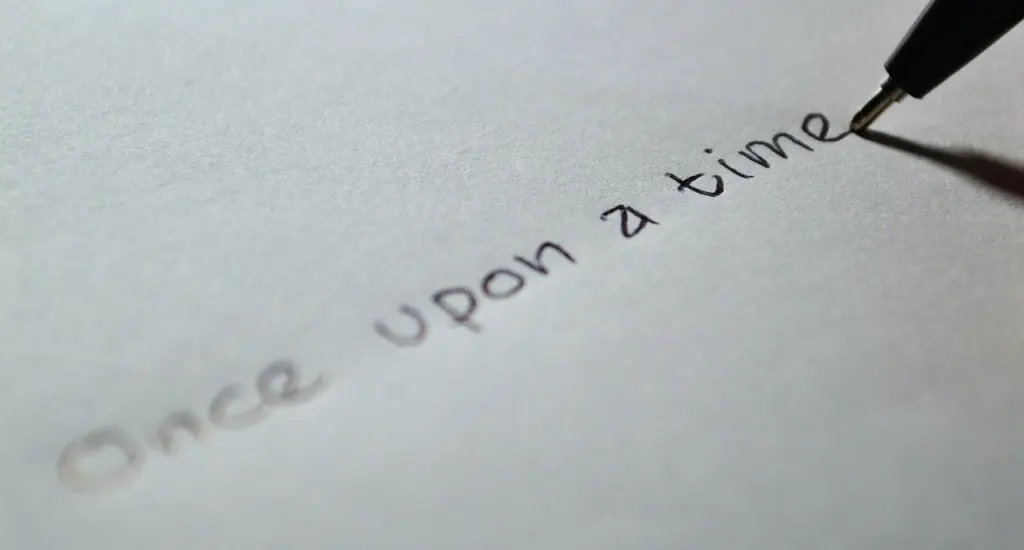
Avoid storytelling openers that lead nowhere. A phrase like “Once upon a time” signals narrative, and an argumentative essay needs the reader to sense a debate within the first line.
Add background and say why it matters
After the hook, add a short stretch of background. Review the topic in a general way, define any term the thesis depends on, and explain why the issue matters. Purdue lists “why the topic is important” as part of setting context, so do not skip that sentence. If a detail does not help the reader understand your thesis, leave it for a body paragraph or drop it.
State the thesis
Put the thesis at the end of the introduction. Purdue asks for a clear, concise and defined thesis in the first paragraph, and the Berkeley guidance adds three practical tests:
- It is arguable. A thesis must assert or deny something about the topic, so a plain statement of fact does not qualify.
- It joins observation and opinion. Berkeley describes a thesis as containing both, so name what you see in the issue and what you think should follow.
- It yields a strong antithesis. If you can easily state the opposing view, a reader can genuinely disagree, which is the sign of a thesis worth defending.
Berkeley also lists pitfalls: a thesis that begins with “I think” or “in my opinion,” and one phrased as a question. State the claim directly instead.
Preview the roadmap
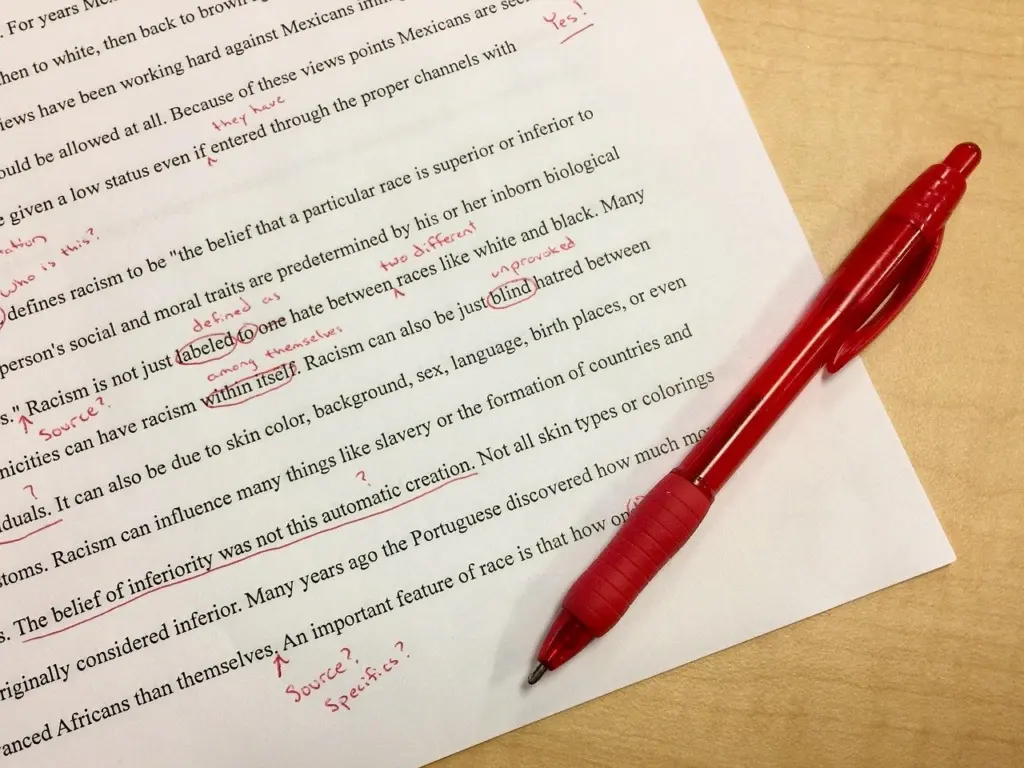
A roadmap tells the reader which supports are coming. In the five-paragraph structure Purdue describes, the essay has an introductory paragraph, three evidentiary body paragraphs and a conclusion, so a roadmap there names three supports, ideally in parallel wording. Berkeley recommends paying particular attention to organization and suiting it to your topic and audience, so let the number and order of supports follow your material rather than a formula.
Keep the preview to a clause or a sentence. Signal the type of support, not the details, because Berkeley says evidence has to be introduced properly and its significance explained, and that work belongs in the body.
Transition into the first body paragraph
Purdue calls transitions “the mortar that holds the foundation of the essay together.” End the introduction with a sentence that names your first support and points back to the thesis. Mendocino’s guide tells students to move between paragraphs using transitional words and phrases. A bare “First” does little. A sentence that names the first claim and the kind of evidence you will use shows why that claim comes first.
Test the finished opening
Reread the opening as a sceptical reader would. Ask these questions:
- Hook: Does it point at the same debate as the thesis, or does it drift?
- Background: Could any sentence be removed without confusing the reader?
- Thesis: Could a reasonable person disagree, and does it fit the assignment guidelines?
- Roadmap and transition: Do they match the body paragraphs you have actually written?
If the body took your argument somewhere new, revise the thesis and roadmap to match. A working thesis is meant to change.
A sample opening, labelled by part
This draft uses the school phone anecdote as its hook. The wording is illustrative, not a sourced claim.
- Hook: A local school banned cell phones during class.
- Background: Schools disagree about whether phones belong in lessons, and the argument turns on attention, communication and how rules are enforced.
- Thesis: Schools should ban phones during class because a clear rule protects attention and spares teachers constant disputes over enforcement.
- Roadmap: This essay shows how a ban supports learning, how it simplifies enforcement, and why exceptions weaken it.
- Transition: The case begins with attention, where the evidence on classroom interruptions is most direct.
Note the thesis is narrow (during class), takes a side that someone could oppose, and gives reasons that map to body paragraphs. The transition names the first claim and the kind of support to come, so the body begins without a gap.
Related writing guides
Openings matter in other forms too. For a different kind of opening discipline, see How to Write a Sonnet: A Step‑By‑Step Guide to Crafting Classic Sonnets in 2026 – Slanguagestudio, and for broader drafting habits, see Creative Writing Tips: 10 Practical Ways To Write More Vivid, Engaging Stories In 2026 – Slanguagestudio.
Frequently asked questions
How long should an introduction be?
In the five-paragraph structure, the introduction is a single paragraph, alongside three body paragraphs and a conclusion, according to Purdue OWL. For longer essays, let the assignment guidelines set the scale, and keep every sentence tied to the thesis.
Can I open with a question?
Yes, as a hook. A question can frame the debate, but the thesis itself should be a direct statement, since Berkeley’s guidance lists a thesis phrased as a question as a pitfall.
Where do opposing views go?
Not in the opening. Purdue advises one or two body paragraphs for conflicting opinions, depending on the essay’s length, so the introduction only needs to name the debate.
Should the conclusion repeat the opening?
It can return to your thesis, but Purdue says not to introduce any new information in the conclusion. Save new evidence for the body.