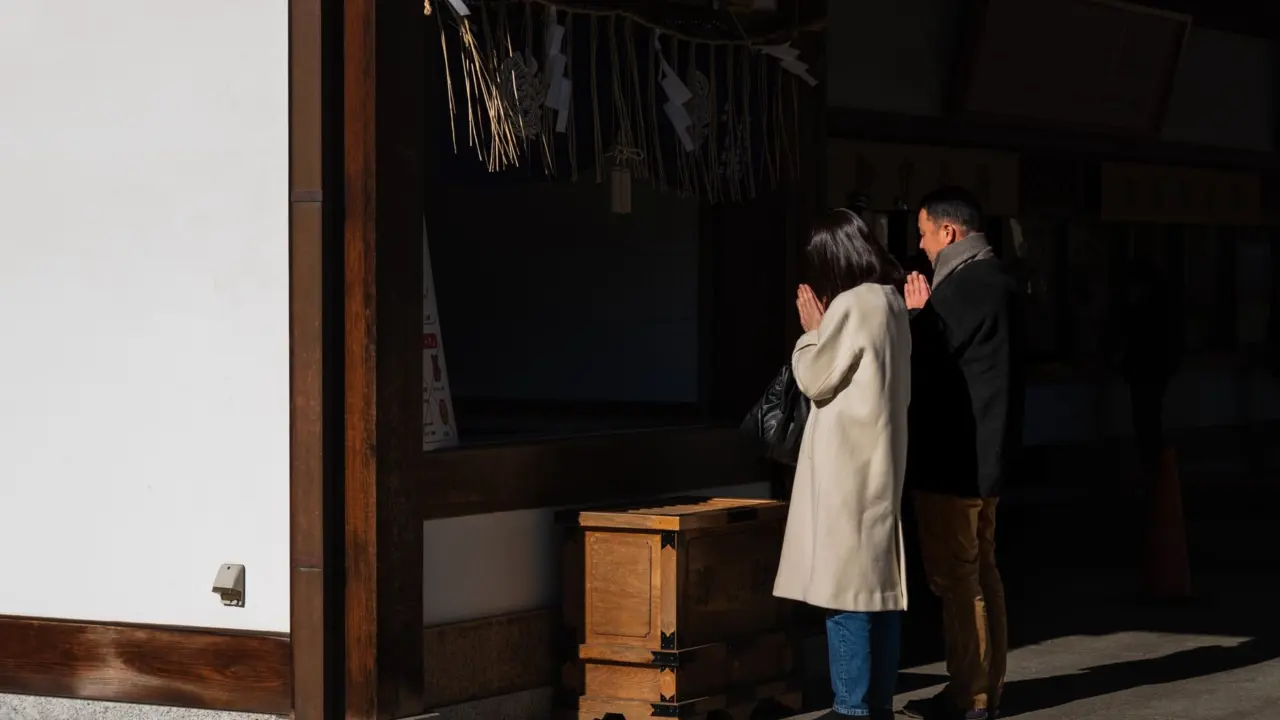
Picture walking into a shop in Japan and freezing. Here is how to say hello in Japanese: use konnichiwa in the daytime, ohayō in the morning, konbanwa in the evening, and match politeness to the listener.
Japanese greetings depend on time of day and on how formal the moment is, which is why a single word never covers everything. If you are also working on the wider habit of picking up everyday speech, see how to learn slang in a new language for the bigger picture.
The core greetings and what separates them
Japanese has no single hello that fits every hour and every listener. English speakers usually start with konnichiwa, and it is a sensible default in the daytime. Mornings and evenings call for different words, and formality changes the ending of the morning greeting.
| Greeting | Script | Romaji | Meaning | Formality | Planning use |
|---|---|---|---|---|---|
| Ohayō | おはよう | Ohayou | Good morning (casual) | Casual | Friends, family and familiar people, before around 10 a.m. |
| Ohayō gozaimasu | おはようございます | Ohayou gozaimasu | Good morning (formal) | Polite | Formal settings or a higher-status listener in the morning |
| Konnichiwa | こんにちは | Konnichiwa | Hello | Neutral, polite | Safe daytime default for colleagues and strangers |
| Konbanwa | こんばんは | Konbanwa | Good evening | Casual or formal | Evening meetings and arrivals after dusk |
Greeting forms, scripts and glosses come from the Linguajunkie greeting list, with usage notes from Kanji123’s hello guide.
Time of day: where konnichiwa stops
The most common misunderstanding is that konnichiwa is the Japanese word for hello at any hour. It is the most common and widely recognised polite, neutral hello according to Kanji123, but it is tied to the daytime.
Ohayō in the morning
Ohayō fits the part of the day when you have just woken up. Linguajunkie frames it as roughly 6 a.m. to 10:59 a.m., and Kanji123 calls it suitable before around 10 a.m. Treat the late-morning boundary as soft rather than a hard cut-off.
Konnichiwa through the day
Konnichiwa is generally used from late morning to early evening, much like saying good afternoon in English, according to Berlitz. Kanji123 notes that people often use it from late morning onward. Linguajunkie says it is a daytime word, and that once evening arrives you should switch to konbanwa.
Konbanwa after dark
Konbanwa takes over in the evening. Kanji123 says it is usually appropriate after sunset in both casual and formal contexts, and Berlitz describes it as suitable for formal and informal meetings after dusk. The guides draw the line at sunset or at 6PM, so when the light is fading, switch to konbanwa instead of holding on to konnichiwa.
Common misunderstandings about Japanese hello
- Konnichiwa is for everyone. It suits most situations, including meeting a friend, a colleague or a stranger. Berlitz adds that it sits in neutral or slightly formal territory rather than the close-friend zone, so with people you know well it can sound distant.
- Ohayō and ohayō gozaimasu are interchangeable. Adding gozaimasu turns ohayō into a polite good morning. Use the longer form in a formal environment or when speaking to someone of higher status, and the short form with friends, family and familiar people.
- Moshi moshi is a general hello. It is used exclusively when answering the phone, so it does not belong in a face-to-face greeting.
- Words are enough. Greetings often travel with a bow, which carries part of the politeness. The bowing section below covers it.
Script and pronunciation
Konnichiwa is written こんにちは in hiragana, the syllable script used for native Japanese words, and the romaji version is simply the same sound spelled with Latin letters. Linguajunkie lists the three forms together as こんにちは, Konnichiwa and Hello. For the sound, Berlitz respells konnichiwa as koh-nee-chee-wah.
Romaji spellings differ between sources, so you will see ohayou and ohayō for the same word. Learn the hiragana form once and the spelling variants stop being confusing. Reading the respelling above slowly, one chunk at a time, is a reliable way to practise a new greeting before you say it at speed.
Casual and phone greetings
Ohayō without gozaimasu is the easiest casual morning greeting for learners. Kanji123 says it is mainly used with friends, family or people you are familiar with.
Friends also use shorter, looser greetings. Berlitz lists yahho, yo and osu as expressions friends often use. Linguajunkie describes yo as a super casual hello among young guys.
As a learner, hold back on these until you hear peers using them in your own circle. Ohayō, or konnichiwa in the daytime, will never be wrong for a friendly encounter. On the phone, moshi moshi is the answering word.
Politeness level at work and with strangers
Politeness is the second axis of Japanese greetings after time of day. Polite greetings show respect, which Kanji123 says is appreciated in Japanese workplaces and with superiors or elders. This belongs to keigo, the system of polite and respectful speech.
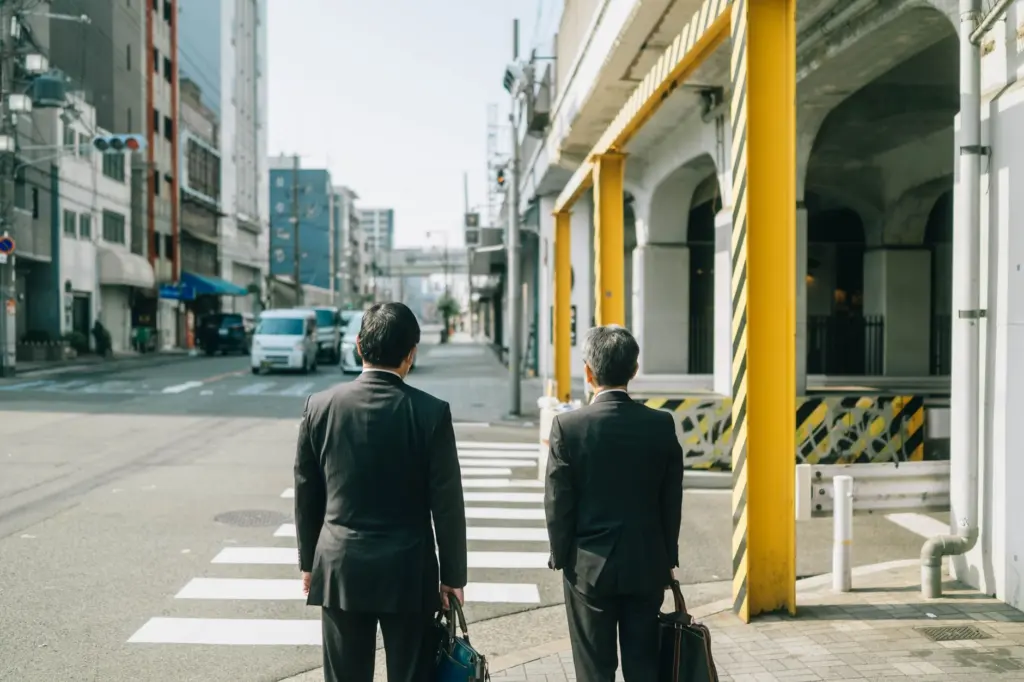
- Morning at work: ohayō gozaimasu is the safer form in a formal environment or with someone of higher status.
- Daytime with clients or strangers: konnichiwa is neutral and polite, so it works when you are unsure of the relationship.
- Making a phrase more formal: Berlitz notes that adding desu makes a greeting sound more like a formal one.
- Unclear status: choose the polite form first. A polite greeting is the pairing Kanji123 describes as appreciated with superiors and elders, and you can relax once the other person does.
Bowing with the greeting
Bowing is how politeness shows up in the body. Kanji123 says people commonly pair a polite greeting with a bow as a sign of respect. Berlitz says accompanying a greeting with a slight bow adds respect to the interaction, which suits formal settings and first meetings.
For English speakers, the practical rule is to match the words and the posture. A casual ohayō to a friend needs no ceremony. A polite greeting to a client or a higher-status person is more natural with a slight bow. Neither is a substitute for the other, and the bow does not fix a greeting that is wrong for the hour.
Where to go next
If you are comparing how different languages handle greetings, How To Say Hello In Portuguese: Simple Greetings, Formality & Pronunciation (2026 Guide) – Slanguagestudio covers formality and pronunciation for another language. When greetings feel comfortable, How to Say “I Love You” in Japanese: Phrases, Contexts, and Cultural Tips (2026 Guide) – Slanguagestudio takes you to more personal phrases.
Frequently asked questions
| Question | Answer |
|---|---|
| How do you say hello in Japanese? | Konnichiwa (こんにちは) is the common polite, neutral hello. Ohayō covers the morning and konbanwa the evening. |
| When do I use konnichiwa? | Use it from late morning to early evening, much like good afternoon in English. After dusk, switch to konbanwa. |
| What is a casual way to greet friends? | Ohayō works in the morning. Berlitz lists yahho, yo and osu as friendly options, and yo is very casual. |
| Can I say moshi moshi to greet someone in person? | No. Moshi moshi is used exclusively when answering the phone. |