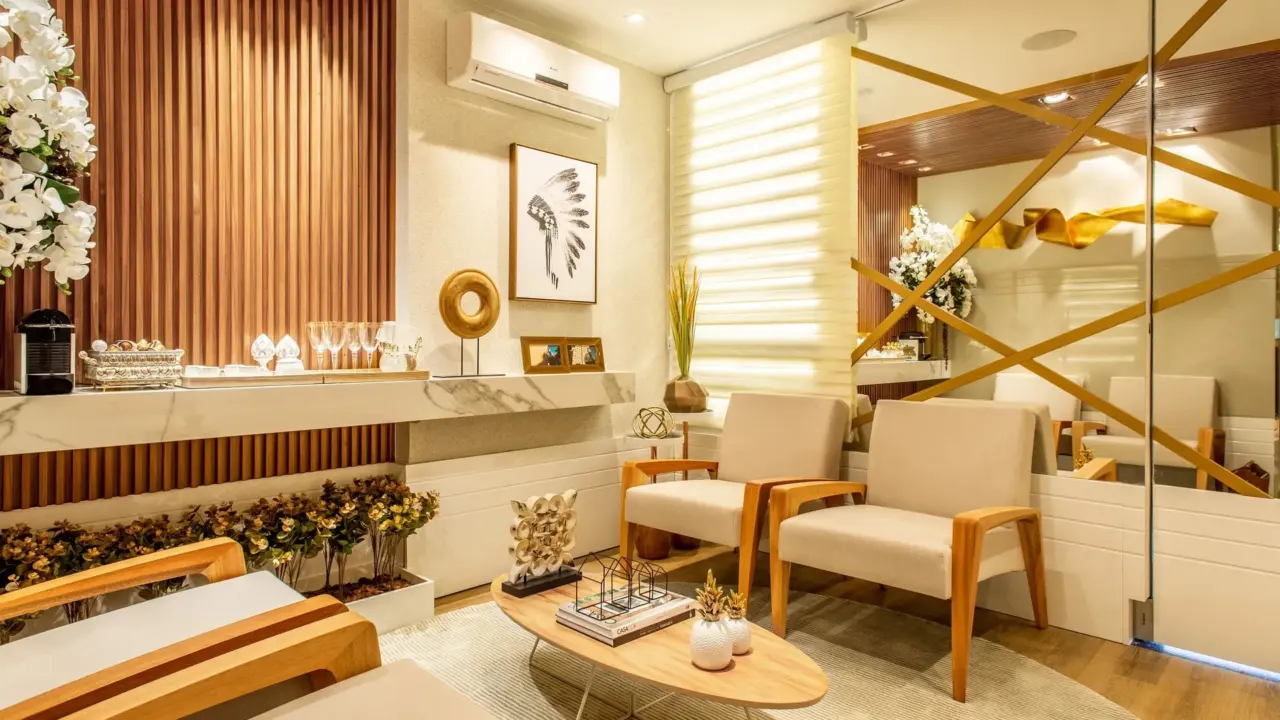
art cool lg refers to LG’s decorative ductless air conditioners, wall-mounted units whose front panel is meant to look like a picture frame or a mirror instead of a plain white box. If you like the idea but want to compare, the realistic alternatives are other designer-style wall units from the big mini split makers, or a standard slim unit that you hide or frame some other way.
| What is it? | A ductless heat pump or cooling system with a decorative indoor panel |
| What sets it apart? | The indoor unit can hold a piece of art, or have a mirror finish |
| Main alternatives | Designer wall units from other brands, or a plain slim unit |
| Who installs it? | A licensed installer, as with any mini split |
| Where to check specs | The maker’s current documentation, since models change |
What the lgartcool range is
The family goes by the name Art Cool, and the better-known members are the picture-style and the mirror-style indoor units. The central idea is that the indoor part of a mini split, usually the least attractive piece, is disguised as decoration. Retail listings for the system describe indoor units that act as frames for 20 inch by 20 inch artwork and use a triple air outlet to spread air through the room.
How the Gallery model differs from the Mirror
People searching lg art cool gallery want the framed version, where a front panel can carry an image of your choosing. The art cool mirror version has a reflective surface instead and suits hallways or bedrooms where a mirror already makes sense. The art cool mini split label covers both when they are paired with an outdoor unit, and multi-zone packages join several indoor units to one outdoor condenser.
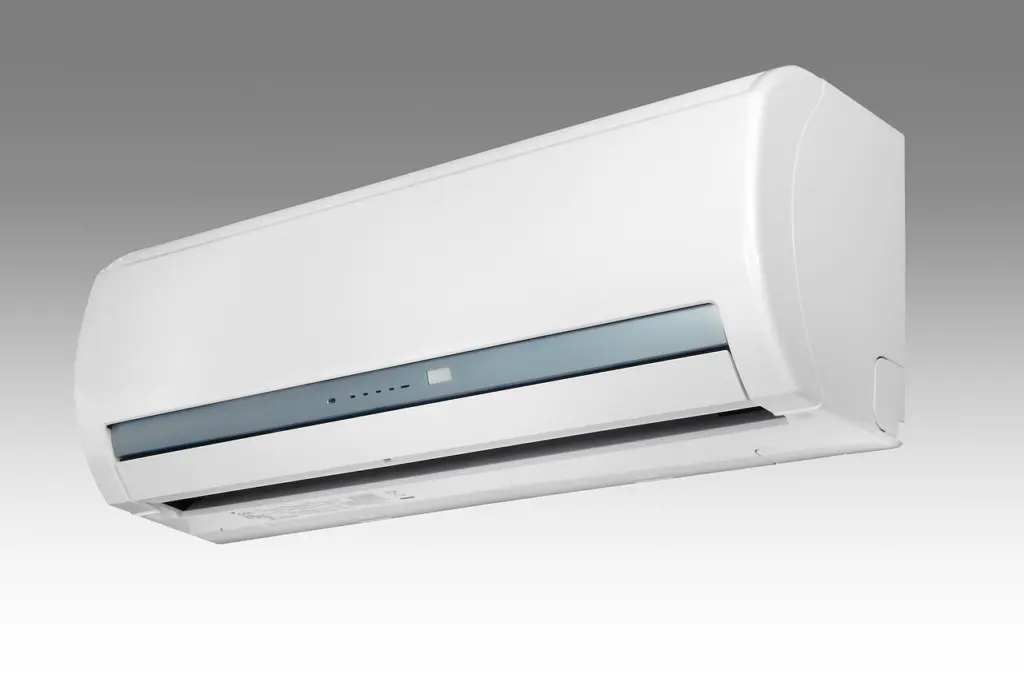
Older single-zone picture models listed by sellers mention a customizable panel, an air purifying system and a self-cleaning coil. Some of those listings are marked discontinued, and sellers warn that a changeover in refrigerant types may affect replacement parts, so check what is currently sold before you set your heart on a particular code.
Searches for art cool air conditioner and what people really want
Anyone typing art cool air conditioner is usually after one of three things: a quieter-looking unit, a ductless system for a room without ducts, or a price. This write-up gives no prices because they vary by size and installer and could not be checked here. People who read lg art cool gallery reviews tend to ask about noise, panel fit, how easy the art swap is and how the unit is cleaned. Those are the questions to put to an installer or to current owners, not to a search snippet.
Alternatives to a lgartcool installation
Several established makers sell wall-mounted units aimed at design-conscious buyers. Mitsubishi Electric has a designer wall unit line, Daikin sells a slim modern unit known as Emura, and Fujitsu and Samsung both offer slim wall models in plain white or coloured finishes. None of them copies the art panel, and none should be assumed equal in price or features, but all are worth a quote. Take a note of the model name and ask each installer to put the quote in writing.
- Designer wall unit from a major brand: the nearest like-for-like swap if looks are the goal.
- Slim standard unit with a coloured or wood-effect cover: cheaper, less to go wrong.
- Ceiling cassette or ducted system: nearly invisible, but needs ceiling space and more work.
- Portable or window unit: lowest cost and no installation, but louder and often less efficient.
What to ask an installer about decorative units
Decorative indoor units raise a few practical questions that a plain unit does not. How is the panel removed for cleaning, and does the filter sit behind it? Is the artwork a sized insert that you can change, or a fixed print? What happens to the look if the panel is replaced years later? A good installer answers these from experience and shows you the unit in a similar home.
Also ask about placement. A picture-style unit looks best at eye level on a plain wall, where it reads as a frame, but mini splits need clear space around the vents and a clean path for the refrigerant line. Sometimes the best-looking location is not the best-performing one, and a short site visit settles that quickly. If an installer pushes one brand without discussing the alternatives above, ask for at least one further quote before you decide.
How to compare before you buy
- Size the system to the room first. An undersized or oversized unit will disappoint however good it looks.
- Ask each installer for the exact model number, the warranty terms and what the warranty requires, since listings state that installation by a professional is needed to keep it.
- Check whether the art panel or cover is sold as a spare, and what it costs to change.
- Ask about service: who services the unit locally, and how long parts take.
- Look at the noise figure on the maker’s own data sheet, not on a retailer page.
A final practical point: ask to see the unit running, if only at a showroom, before you commit. Appearance counts for a lot here, and it is easy to judge on the spot.
Finally, keep your own notes of each quote in one table: model, size, warranty length, installation date and total cost. Side by side, the real differences between a decorative unit and a plain one become clear, and so does the premium you are being asked to pay for the look.